

Shoppers buy when they trust that they are making the right decisions. The fastest way to build trust online is to show a shopper that other people have already made the same decision – and that they are happy with it.
That is essentially what social proof is. And it has been driving purchase decisions long before we started buying online.
The psychology behind social proof
Social proof is not a new concept. It was first defined by Robert Cialdini in 1984 as the psychological principle that most people look to others to decide how to think, feel or act. This especially applies when we are uncertain.
Research by Gartner shows that 90% of buyers say some form of social proof, whether expert recommendations, product reviews, or customer testimonials, influenced their critical research stage. And it is not just passive browsing behaviour. A 2025 study found that 62% of consumers say FOMO directly influences their online buying decisions, with 6 in 10 having made a purchase because of messages promoting popularity or exclusivity.
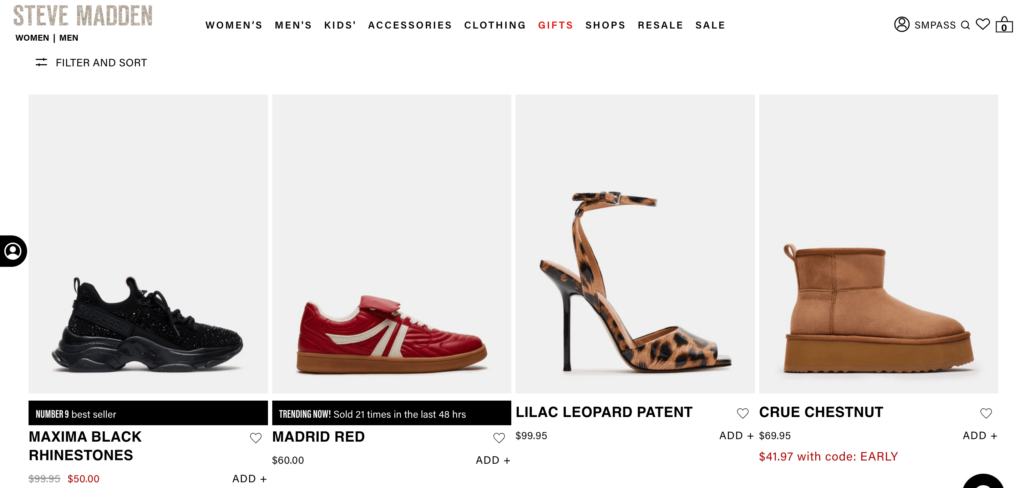
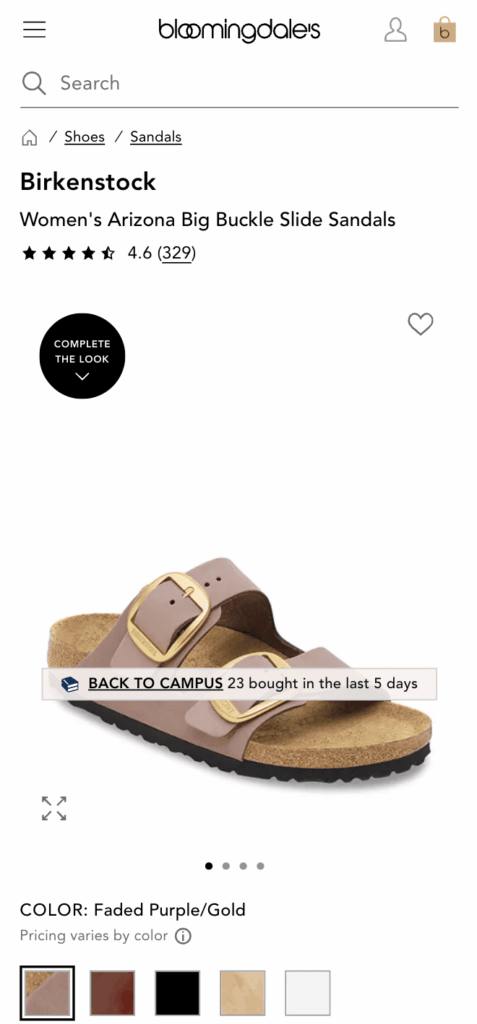
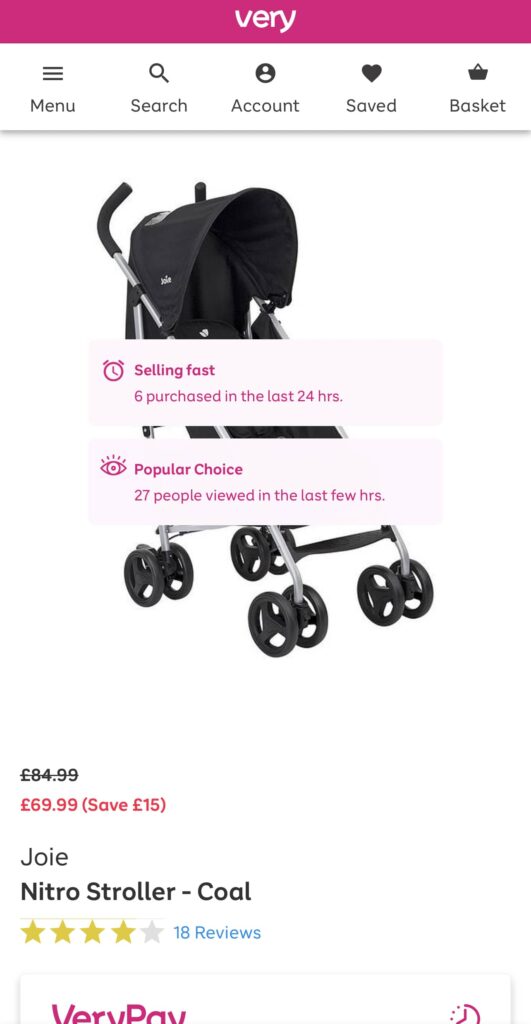
The moment a shopper sees messages like “34 people are looking at this right now”, “Bought 200 times in the last week,” or “Rated 5 stars by 123 people”, the decision gets easier. The hesitation fades, and the shopper is more likely to make a purchase.
What social proof looks like in practice
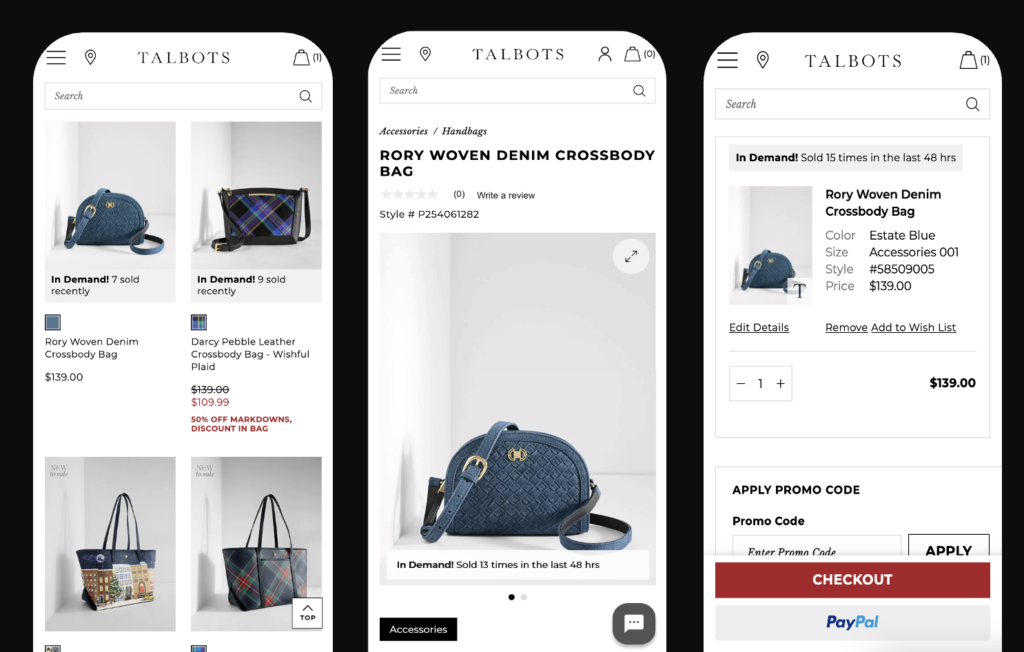
Social proof is not one thing, but a layer of signals that work together across the customer journey on the PLP, PDP, cart and checkout, and even in emails, social media and digital ads.
- Real-time messaging: surfacing real-time purchase activity, trending products, and availability at the moment of consideration
- Popularity signals: highlighting trending, category leaders, and “going fast” signals to guide browsing
- Ratings and reviews: displaying star ratings and verified buyer feedback directly on product pages, where they matter most
Each of these social proof tactics work independently, but when presented together, the results are stronger. When a shopper can see that a product is trending and has a high star rating, their confidence in purchasing it is stronger.
What the results of social proof really look like
The results across Taggstar’s customer base – from fashion to department stores and home improvement – are consistent:
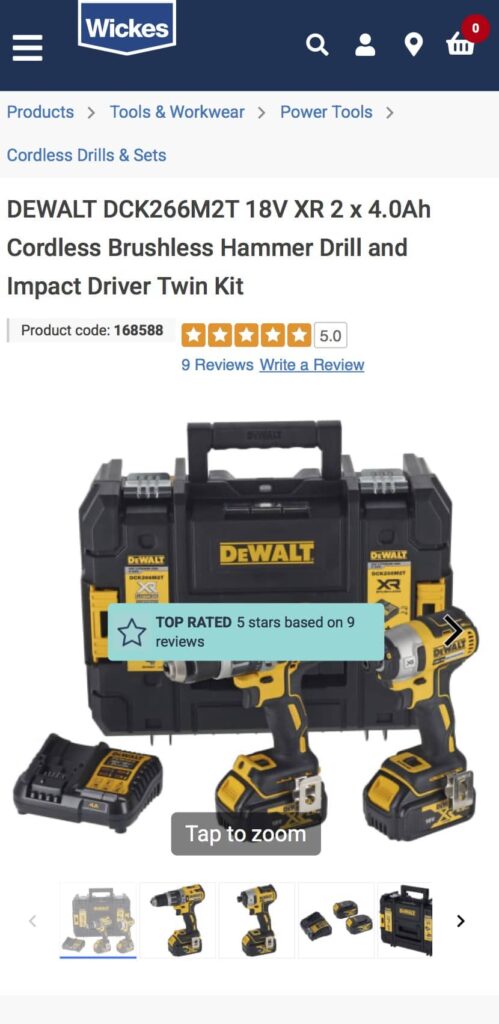
- Wickes saw a 4.48% conversion rate uplift after launching social proof messaging in 2020, and when they later added animated icons, they delivered a further 1.57% uplift in a short period of time. Wickes integrated social proof messaging with ratings and reviews, and immediately saw an increase in conversions.
- Steve Madden reported a 5.41% uplift in conversion rates and stronger customer engagement.
- Bloomingdale’s saw a 1.6% conversion rate uplift and a 1.5% increase in revenue per visit within just two weeks of going live, and then extended it to email, where social proof messaging delivered an 87% increase in average order value and a 121% boost in revenue per visit.
- The Very Group achieved over a 15% improvement in conversion rates through consistent testing and optimisation.
“Taggstar’s conversion messaging has generated great results for our company, but what was also important was how easy and how fast the technology was to onboard, with less than three weeks from our first discussions to the project going live.” – Anisha Parmar, Digital Experience Lead at Dune London

When partnering with the right solution provider, social proof is very easy and fast to implement, and most retailers report measurable conversion rate uplifts and an increase in RPV and AOV within weeks. And with ongoing optimisation support, the results get stronger over time.
“We expected a big newness factor that didn’t pan out. This has a real, durable impact on customers—even loyal ones.” – Bob Yarbrough, SVP eCommerce at Knitwell Group
What to expect when you get started
The question retailers and brands most often ask when implementing social proof is: How quickly will we see results?
With Taggstar, retailers see results faster than expected. Most start to see an uplift in conversion rates within just a few weeks of going live. Many experience measurable improvements almost immediately.
Social proof pulls real-time data directly from a retailer’s own site, and so the messages reflect genuine crowd behaviour, making them more authentic and trustworthy, resulting in higher conversion rates.
The results of social proof do not plateau. Wickes has leveraged social proof messaging since 2020 and continues to drive incremental uplifts through ongoing optimisation. Paul Canavan, Digital Director at Wickes, underscored the importance of testing and optimisation during a recent webinar.
“We retest to make sure the solution still delivers value to us and that it is still the right thing to continue to invest.“
Wickes also works with the Taggstar CSM team ensure optimised performance through new placements and messages and when introducing new features like review and ratings integration through PowerReviews.
The bottom line
The bottom line is that social proof works because shoppers trust other consumers more than they trust brands and retailers. When shoppers see what others are doing, they feel more confident about their decision to buy.
The data from over a decade of Taggstar implementations across global retailers and brands proves that the question is not whether social proof will boost revenue, but rather how much.
Contact us today for more information about social proof and see for yourself how social proof can accelerate your business growth.